
Craniomandibular
Dysfunction (CMD)
When the Jaw Becomes Unbalanced
Many people suffer from headaches, neck tension, or ringing in the ears – without suspecting that the cause may lie in the jaw. A possible explanation is Craniomandibular Dysfunction (CMD), a functional disorder in the interaction between the temporomandibular joint, muscles, and teeth.

Dr. Annika Kraus
…is our specialist for CMD
What is CMD?
Craniomandibular Dysfunction refers to a dysregulation of the chewing system. In this condition, the temporomandibular joints, masticatory muscles, and teeth no longer work together harmoniously. Even the smallest misalignments or muscular tensions can disturb this delicate balance – with effects on the entire body.
Typical Symptoms
CMD manifests through a variety of symptoms that are often not immediately associated with the jaw:
- Pain or clicking in the temporomandibular joint
- Restricted mouth opening
- Tense masticatory muscles
- Headaches, migraines
- Neck, shoulder, or back pain
- Tinnitus or ear pressure
- Dizziness
- Teeth grinding (bruxism)
How is CMD Diagnosed?
At Praxis am Kureck, we perform a comprehensive functional analysis. During this, we examine the mobility of the jaw, the position of the teeth, and the strain on the muscles. If necessary, we supplement the examination with imaging techniques or collaborate interdisciplinarily with physiotherapists, orthopedists, or ENT specialists.
CMD Treatment
The goal of therapy is to restore the natural balance in the chewing system and to sustainably alleviate the symptoms. Depending on the cause, various measures are employed:
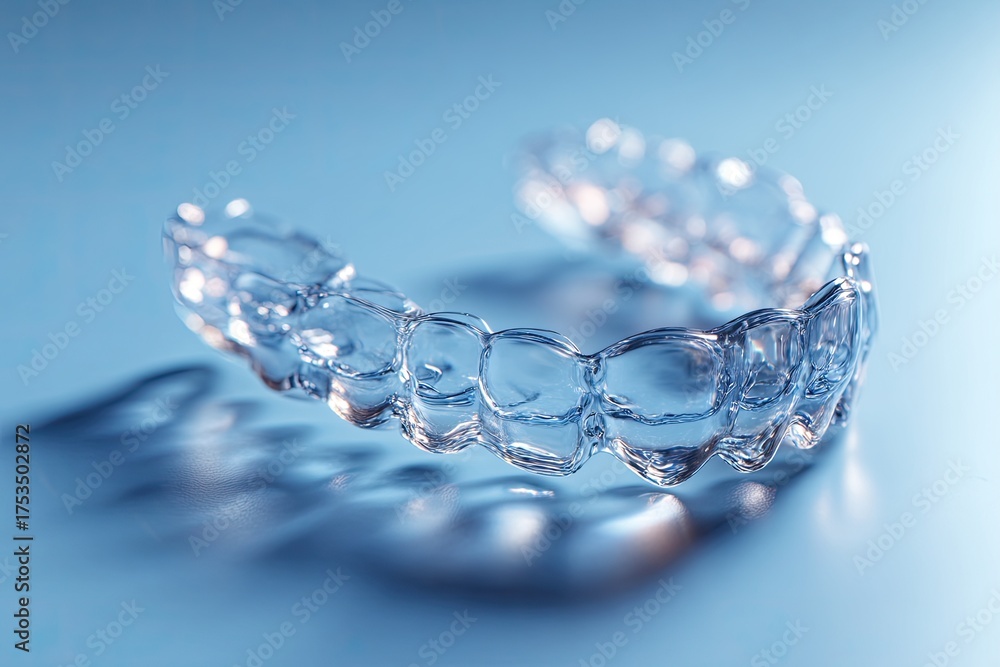
- Occlusal splint (night guard): relieves the temporomandibular joint and muscles
- Physiotherapy: releases tension and improves mobility
- Stress management: relaxation exercises to reduce bruxism (teeth grinding)
- Dental corrections: adjustment of tooth contacts or dental prostheses if necessary
In many cases, an individually fitted occlusal splint in combination with accompanying therapy already leads to significant improvement.
Conclusion
CMD is highly treatable – provided it is diagnosed early. If you frequently suffer from jaw, head, or neck pain, please do not hesitate to contact us. Together, we will find the cause of your symptoms and develop an individualized therapy concept for greater well-being and quality of life.
CMD Treatment with Botox
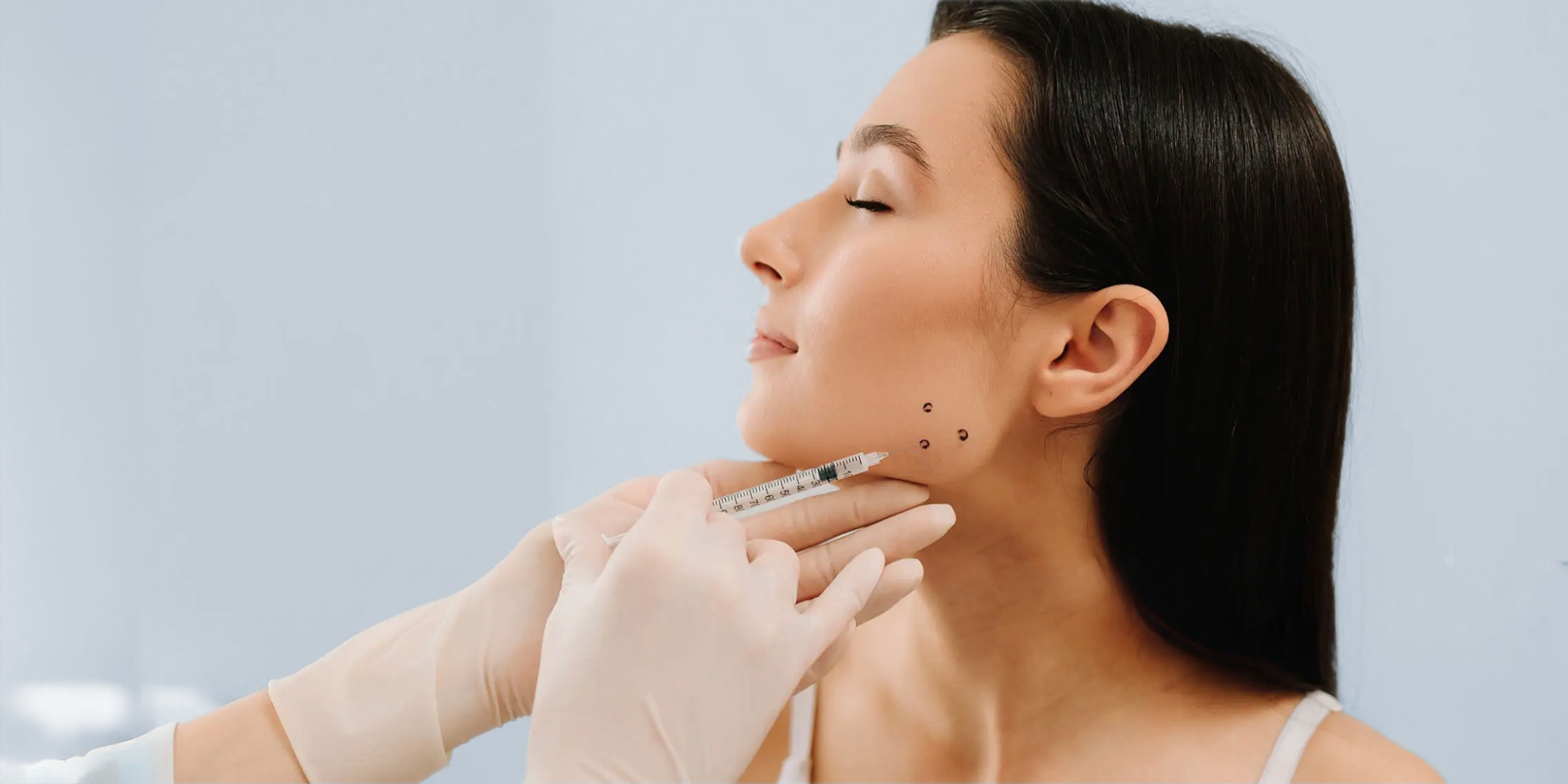
Botox (Botulinum toxin type A) is a proven medication that specifically reduces muscle activity. Injected in very small amounts into the overactive masticatory muscles (usually the masseter or temporalis), it leads to a gentle relaxation of the muscles – without impairing natural chewing.
The effect:
- Reduction of muscle tension
- Pain relief
- Reduction of teeth grinding
- Protection of teeth from further wear
- Relief of the temporomandibular joint
Treatment Procedure
1. Diagnosis & Planning:
First, a precise functional analysis is performed to determine which muscles are affected.
2. Injection:
The Botox is injected with fine needles into the affected muscle areas. The treatment only takes a few minutes.
3. Onset of effect:
After approximately 3–7 days, relaxation begins, with the full effect achieved after about two weeks.
4. Duration:
The effect typically lasts 3–6 months. After this, the treatment can be repeated if necessary.
Advantages of CMD Treatment with Botox
- Minimally invasive and almost pain-free
- No downtime – you can resume your activities immediately
- Significant pain reduction often within a few days
- Possible as a supplement or alternative to occlusal splints and physiotherapy
- Often also an aesthetic improvement due to softer jaw contours
Possible Side Effects
Botox is very well tolerated. Occasionally, slight swelling, tenderness, or small bruises may occur at the injection site, which will subside quickly. Muscle strength is not completely eliminated – normal chewing remains fully possible.
Conclusion
The treatment of CMD with Botox is a modern, effective, and safe method to alleviate muscular jaw complaints long-term. Patients suffering from chronic teeth grinding or severe muscle tension particularly benefit.
If you suffer from jaw, head, or facial pain and previous therapies have not provided sufficient relief, we would be pleased to advise you individually about CMD treatment with Botox at our practice.